
I have always had a passion for reading, and anything science-based with a bit of ‘make believe’ captivated me. So, when I picked up a book from the school library titled ‘Plague’ by Malcolm Rose, I knew I was going to enjoy the book, however, I did not realise it would influence my future career!
The book follows a modern-day plague sweeping through England with scientists racing to find the cure. Factual sections on disease, viruses, human and animal infections and routes of transmission, sprinkled into a couple of teenagers trying to find the cure, and I was hooked. From that moment, my fascination began. I read everything I could on viral and bacterial infections, fiction and non-fiction, I even subjected my friends and family to presentations on all I had learnt!
As my interest grew, I went to study Human Biosciences at university where I began to appreciate the growing challenge of antimicrobial resistance (AMR). During my studies, I undertook a dissertation in AMR, understanding resistance mechanisms and routes of transmission. From there, I completed a PhD in biodiscovery, trying to source new antimicrobials to treat AMR infections and that brings me to where I am today…
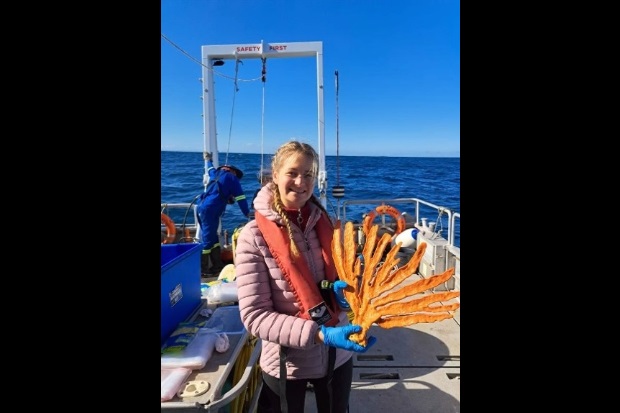
My role at APHA
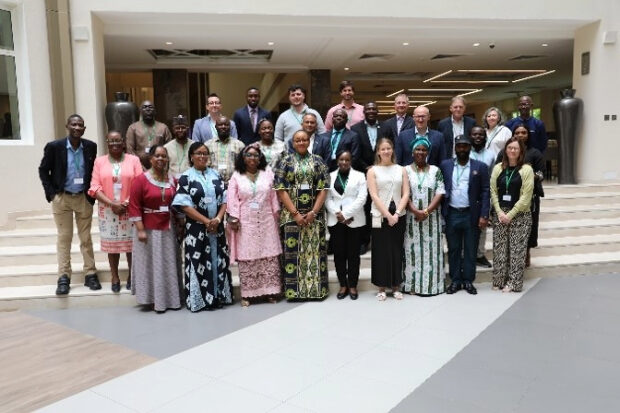
Working at APHA in the UK Food and Agriculture Organization (FAO) Reference Centre for AMR has been an incredibly rewarding experience. It has allowed me to share my knowledge, connect with like-minded colleagues, and develop a greater appreciation of the complex global challenges associated with AMR. Building collaborations with partners across the UK and West Africa is a central part of my role. No two days are the same, but they often involve engaging with international colleagues, supporting capacity-strengthening activities, discussing surveillance approaches, and exploring new opportunities for research and innovation.
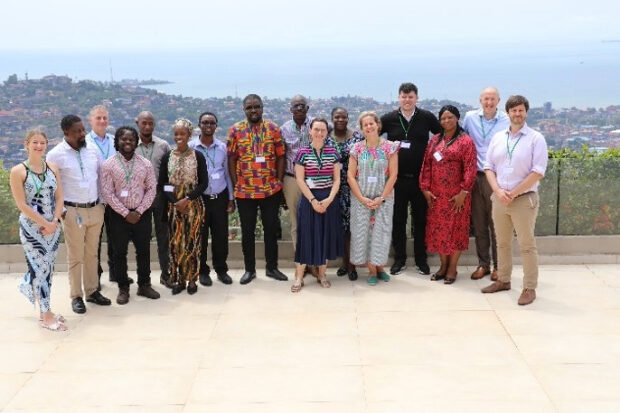
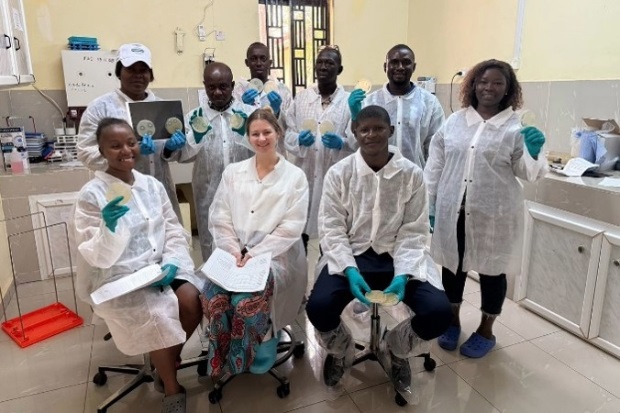
One of the aspects I enjoy most is the opportunity to share knowledge and learn from others, whether that is in the sense of AMR, culture or alternative approaches to tackling complex issues. AMR affects countries in different ways, and there is a tremendous amount we can gain through collaboration and exchanging expertise. Africa and Asia are regions where AMR is predicted to hit the hardest, so why not collaborate and learn from each other? We offer guidance and support from policy to implementation and data analysis, where they educate us on the unique challenges faced in-country for surveillance, diagnostics, and antimicrobial stewardship, together we can find appropriate solutions.
What has surprised me most working in AMR?
I always used to view AMR as largely a scientific based problem, with a laboratory-based solution. However, AMR is much more complex, and whilst the science is fundamental, AMR is much larger than that. I have come to appreciate that it is also societal, economic, environmental and a political challenge.
During my time at the Welsh Government, AMR was always referred to as a ‘wicked problem’, a challenge with many interrelated biological and social drivers, where action is required in a multitude of ways. Perhaps, most importantly, I have learned just how global this issue is. Resistant organisms can emerge in one location and quickly become a concern elsewhere. No single organisation, country or sector can tackle AMR alone. Success depends on strong partnerships and a willingness to work together toward a shared goal.
The familiar term ‘One Health’
Throughout this blog, I have highlighted the importance of collaboration as a way of developing solutions to AMR. One Health is the very same, this term highlights the importance of addressing AMR across human, animal, plant and environment sectors, because AMR is transboundary and cross-sectoral. The UK FAO Reference Centre encompasses organisations and experts across these sectors; APHAprotects animal and plant health with a specialism in AMR in farmed animals, their environment and food; marine and freshwater science experts at the Centre for Environment, Fisheries and Aquaculture Science have a specialism in AMR in aquatic animals and the environment; whilst the Veterinary Medicines Directorateare the UK competent authority for veterinary medicines, responsible for AMR and residues policy for animals. Together, we can coordinate our expertise and deliver programs of work in a One Health manner with overseas partners.
A look to the future
The future of AMR research is both challenging and exciting. Advances in genomics, diagnostics, surveillance technologies and antimicrobial discovery are providing new opportunities to better understand and respond to resistance. However, scientific advances alone will not solve the problem. Raising awareness remains critically important. Everyone has a role to play, whether through responsible antimicrobial use, supporting infection prevention measures or simply understanding why AMR matters.
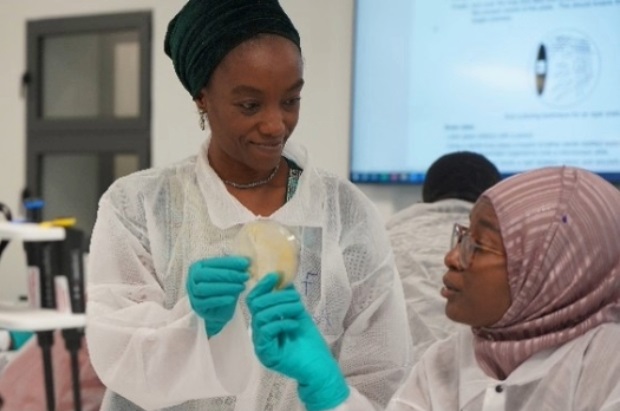
I hope to continue contributing to the global effort against AMR by strengthening collaborations, supporting capacity building and helping translate scientific knowledge into practical action.
Looking back, it is remarkable to think that a book borrowed from a school library helped set me on this path. What began as curiosity about a fictional outbreak has grown into a career dedicated to understanding and addressing one of the biggest health challenges of our time.
This World Antimicrobial Awareness Week is an opportunity to reflect on how far we have come, but also on how much work remains ahead. Through collaboration, innovation and a shared commitment to One Health, we can help preserve the effectiveness of antimicrobials for future generations.
Leave a comment