
Road runoff can carry a mix of particles and chemicals into our water. Some of these are known to pose a risk to wildlife, while the risks from others are less well understood. New Environment Agency research is helping to build a clearer picture to help prioritise the action we and other organisations can take to manage and improve water quality.
What is runoff?
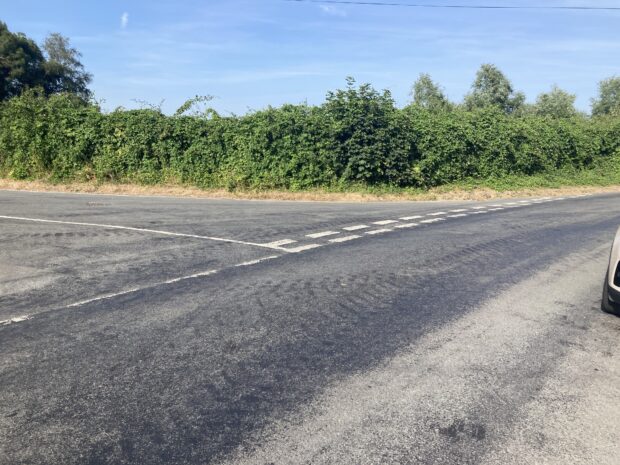
When it rains, water runs off roads, roofs and other hard surfaces, carrying with it a mixture of contaminants. This includes particles and chemicals that have built up on road and urban surfaces from various sources, such as vehicles, the road surface itself, or deposited from the air. These contaminants can be washed into nearby water environments, where some may affect water quality and aquatic life, depending on the substance and its concentration.
Surface runoff is part of everyday life but how significant is this problem?
What does Environment Agency research show about road runoff?
At the Environment Agency, we are working to build a clearer picture of the impact that road runoff has on our rivers and lakes. Our scientists have recently reviewed hundreds of scientific studies on road runoff. This includes research on modelling pollution and the effectiveness of treatment methods. We also considered how pollution from roads might change in the future with climate change and the transition to electric vehicles.
Highway and urban runoff is not a single, simple issue. It is made up of a mixture of pollutants. This includes well-studied substances such as metals and oil-related chemicals, as well as newer concerns such as microplastics, substances used in tyre production and persistent chemicals like PFAS, often referred to as ‘forever chemicals’.
There is growing scientific interest in how these substances behave once they enter rivers. For example, research in the United States has linked a chemical found in tyres to the death of Pacific coho salmon when it is washed into waterways during rainfall. While we do not have evidence of the same effect occurring in England, studies like this highlight why it is important to understand what is present in runoff and how it might affect wildlife under different conditions.
This matters because pollutants do not enter the environment in isolation. They arrive together, and their combined effects on wildlife are not yet fully understood. Our evidence review also shows that the scale and type of pollution vary depending on traffic, land use, infrastructure and weather. Urban areas are likely to be hotspots of pollution in runoff because of the extent of hard surfaces and factors like driving patterns.
While this work highlights some important gaps, it provides a much clearer foundation than before. It allows us to focus future research, improve how we assess risk, and provide more informed advice to those responsible for managing roads and drainage.
What we know about vehicle tyre wear pollution
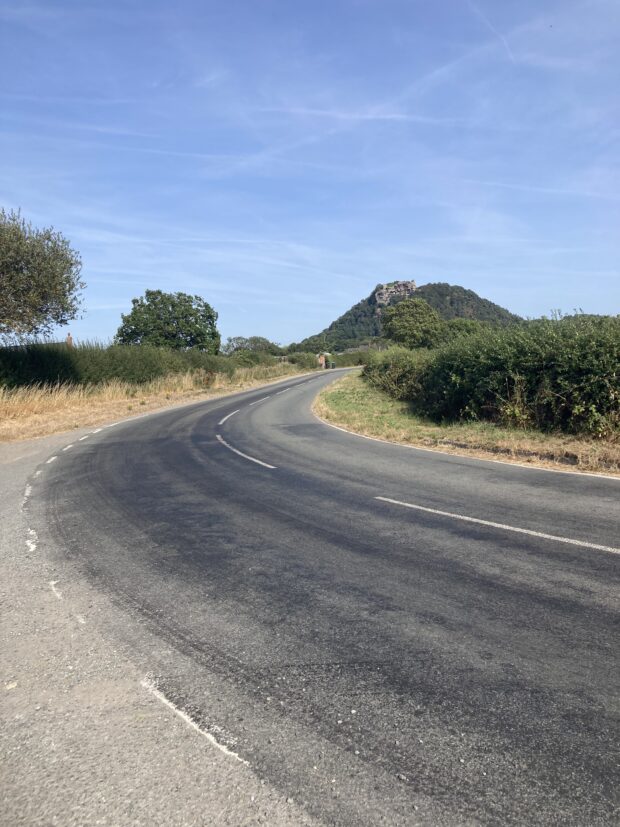
Tyre wear is part of this wider picture. As vehicles travel, friction between tyres and the road surface produces very small particles, known as tyre wear particles. These contribute significantly to microplastics in the environment and can contain a range of associated chemicals used in tyre manufacture.
To help us understand this issue better, our scientists have developed a model to estimate the release of tyre wear particles and associated chemicals into the environment on a local and national scale. The model can be adjusted to account for different assumptions about traffic, conditions and location. It provides an important starting point for the Environment Agency and our partners.
This modelling approach is valuable because it can be used to identify areas where releases are likely to be higher, allowing effort to be targeted where it will have the greatest benefit. By making this approach available, we can support others in taking more informed and targeted action. Put simply, it gives us a way to begin addressing an issue that would otherwise be difficult to quantify.
How can road runoff pollution be tackled?
Improving our understanding of road runoff supports practical measures to reduce its impact.
We are working with National Highways to tackle pollution from motorways and major A roads across England, by helping to identify where improvements are needed at the highest risk locations. New or upgraded water treatment systems and nature-based solutions are being designed to capture sediment and reduce the amount of pollution entering rivers.
We are also working with Loughborough University and others to better understand the impacts of tyre wear particles on humans and our environment, and how we can engineer solutions to reduce this.
The journey ahead
Tackling pollution from roads is a complex challenge – it will require a combination of better evidence, targeted investment, and continued collaboration between organisations responsible for roads, water and the environment.
To explore the science behind this work and what it means for our environment, read the full reports on GOV.UK:
Understanding the impact of urban and highway runoff on water quality – an evidence review.
Environmental exposure scenarios for tyre-related pollution from roads.
Leave a comment