NRS completes largest land remediation project at Harwell
More than 97,000 tonnes of material removed as former nuclear research land is restored for future use.
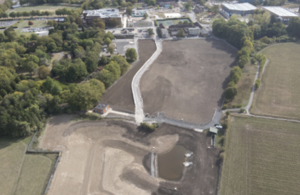
Nuclear Restoration Services (NRS) has completed its largest ever land remediation project, restoring 4.2 hectares of land at its Oxford-based site - following more than 60 years of liquid effluent treatment operations.
The completion of remediation at the former Liquid Effluent Treatment Plant (LETP) and neighbouring Sewage Farm Area at Harwell marks a major milestone in the environmental restoration of the historic nuclear research site.
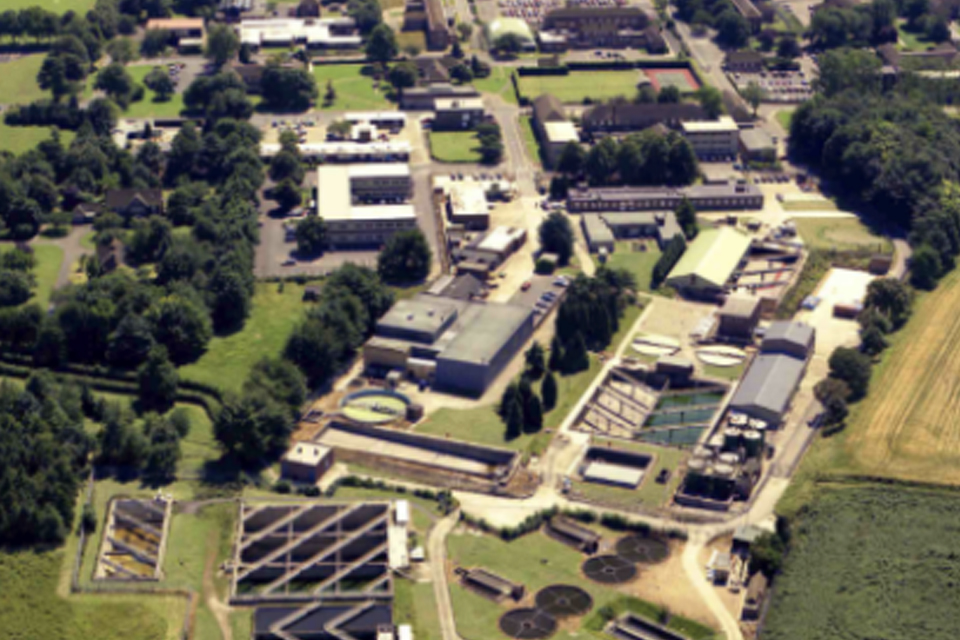
LETP before decommissioning (circa 1999)
More than 97,000 tonnes of material have been removed during the project, which tackled an extensive network of buried tanks, pipelines, pumping stations, reinforced concrete structures and treatment infrastructure, some located up to 10 metres below ground.
The work represents the final major phase in the story of the LETP, which was constructed in 1948 to treat liquid waste generated by Harwell’s pioneering nuclear research programmes.
At its peak, active and trade drainage systems from across the site flowed to the facility, where waste was treated before being safely discharged through a dedicated pipeline to the River Thames. The plant also handled higher activity liquid waste, supporting decades of scientific research and innovation at Harwell.
Alongside the LETP, the former Sewage Farm Area had an even longer history. Originally constructed in the 1930s to serve RAF Harwell, it was later expanded as the site developed.
Following the end of LETP operations in 2013, attention turned to safely decommissioning the ageing facilities and restoring the land.
A comprehensive programme of research, testing and characterisation was undertaken before teams began the extensive task of locating, excavating and removing decades of buried infrastructure across the site.
The scale of the work makes it the largest land remediation project undertaken by NRS to date. To put the volume of material removed into perspective, the 97,000 tonnes excavated is greater than the fully loaded displacement of aircraft carrier HMS Prince of Wales.
Sustainability was also central to how the restored landscape was designed. A new Sustainable Drainage System (SuDS) pond has been created within the former Sewage Farm Area, providing a natural way to manage surface water while also creating new habitat for wildlife.
Material generated during construction of the pond was reused to reprofile the former LETP area. This avoided the need to import approximately 60,000 tonnes of material and prevented an estimated 2,700 vehicle movements, reducing both waste and the environmental impact of the work.
Public access has also been restored to Icknield Way, a designated public bridleway alongside the former LETP area which had been temporarily inaccessible while remediation was under way.
The transformation supports the wider Nuclear Decommissioning Authority (NDA) mission to safely and sustainably clean up the UK’s nuclear legacy while releasing land for reuse wherever possible.
Gary Reid, Harwell Site Director, said: “This is a hugely significant milestone for Harwell and one our teams should be incredibly proud of. Restoring an area that supported more than 60 years of pioneering nuclear research has been a complex undertaking, requiring years of careful planning, specialist expertise and collaboration across NRS, the NDA and our supply chain.
“But the real measure of success is what we leave behind. Returning this land for potential future use at Harwell Science and Innovation Campus means an area that once enabled pioneering nuclear research can continue to support science, innovation and wider economic benefit for generations to come. We are incredibly proud that NRS has played a part in enabling that next chapter.”
Clive Nixon, the NDA’s Chief Nuclear Strategy Officer, said: “This is a significant achievement, made possible by the expertise, commitment and collaboration of everyone involved. Transforming this historically important land into an asset for future use is a clear example of the lasting benefits we aim to deliver through the NDA mission.”
With physical remediation complete, work is now progressing through the final regulatory stages to delicence the land and surrender the environmental permit.