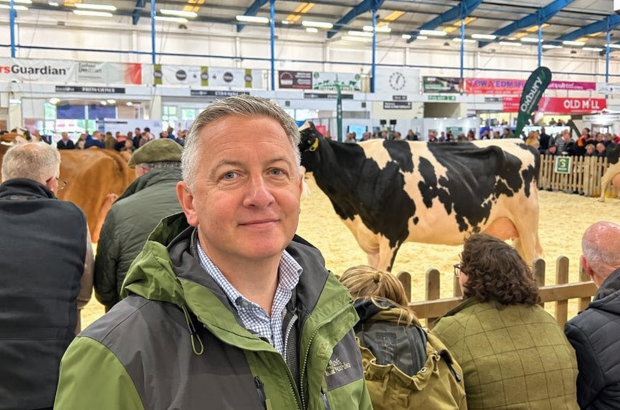
When I became Agricultural Supply Chain Adjudicator (ASCA), I knew regulations alone would not make contracts between producers and processors fairer. Of course, the rules are vitally important, but people also need to feel confident using them.
Producers need to know their rights, processors need to understand their responsibilities, and everyone needs to know that concerns can be raised safely and will be taken seriously.
My second annual report outlines my office’s work with the dairy and pig sectors during my second year in the role - including the handling of formal and informal enquiries. It covers our engagement with the sectors, and the intelligence we've gathered to help shape policy.
In this post, I share highlights from that work, explain how we have helped resolve contractual concerns and outline our priorities for the year ahead. I also explain how you can contact my team for advice or raise a concern in confidence.
Our work with the dairy and pig sectors
Over the past year, producers and processors across the dairy and pig sectors have told me how changing market conditions are affecting their businesses. In summary:
- the sharp fall in farm-gate milk prices from late 2025 placed renewed pressure on dairy farm margins and highlighted the importance of clear pricing information and timely communication
- although milk prices began to recover into mid-2026, high input costs and difficult weather conditions continued to create uncertainty for dairy producers
- in the pig sector, supply and demand imbalances, and weaker prices, led some processors to seek reductions in overall pig numbers, creating uncertainty for independent producers in particular
- falling pig prices, negative producer margins and high feed costs reinforced the need for producers and processors to communicate openly and manage contractual changes fairly
Against this backdrop, my team has focused on helping producers and processors understand their obligations and manage contractual concerns.
With the Fair Dealing Obligations (Milk) Regulations 2024 (FDOM24) fully in force for over a year now, we have focused on how they work in practice. The regulations provide important protections, but understanding how they apply remains a challenge. Some producers fear that raising concerns could damage commercial relationships. My team monitors these issues and uses what we hear to identify emerging concerns, engage with producers and processors, and encourage more open and effective communication across the supply chain.
The Fair Dealing Obligations (Pigs) Regulations 2025 (FDOP) came into force for new contracts on 13 August 2025, with the transition period for existing contracts ending on 13 August 2026. Prior to full implementation, we focused on building awareness and getting to know the sector. We have worked with producers and processors to gather evidence about current practice and identify practical information to help them adapt to the requirements.
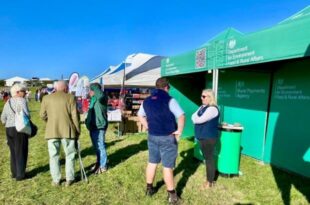
My team has engaged widely with producers, processors and representative bodies across the dairy and pig sectors through online and in-person meetings, sector events, farm and processor visits, agricultural shows and roundtables.
Concerns raised at an agricultural show led to a processor amending its contract to address a producer’s concerns and ensure compliance. Our roundtables brought farming unions, processors and representative bodies together to identify shared concerns, encourage better communication and transparency, and explore industry-led codes of practice.
Drawing on our casework, confidential reporting and wider engagement, we also gave evidence to the Environment, Food and Rural Affairs Committee inquiry into fairness in the supply chain, highlighting contractual fairness, market transparency and barriers to raising complaints.
These conversations have helped people understand and apply the regulations and raise confidential queries and concerns, including formal complaints. They have also helped us understand how contracts work in practice.
Clearer contracts & effective communication
One message has come through clearly this year: good relationships are easier when contracts are clear and communication is timely and effective.
Written contracts, transparent pricing and straightforward processes for making changes all help reduce uncertainty. They can also make it easier to have the right conversations early, before problems become disputes.
In meetings, at events and in direct conversations, I have heard how useful it is when clear, transparent information is shared effectively and in a timely way. We have seen good examples of this where processors provide their producers with insight and rationale to what's happening in the wider sector.
Unfortunately, we have also seen examples where changes are poorly communicated and implemented, so it's understandable when some producers get frustrated and turn to ASCA for advice.
Resolving informal disputes in practice
The latest annual report includes case studies which highlight the work our office undertakes to resolve disputes before they intensify:
In case study A, one dairy farmer raised confidential concerns about new contract terms that could restrict their ability to sell milk elsewhere. We were able to raise the issues with the processor without revealing the identity of the farmer and, following our intervention, the processor changed and reissued its contract, making clear that farmers remained free to supply surplus milk to other processors. The farmer’s identity was protected throughout.
In case study B, when a dairy farmer raised concerns that their contract did not include provisions required under the regulations, my office stepped in after the farmer was unable to resolve the issue directly with their processor. Following our intervention, the processor amended the contract to address the concerns and committed to changing its contracts with other producers to ensure compliance. This enabled the issue to be resolved swiftly without the need for a prolonged formal complaint.
In case study C, several dairy farmers approached my office confidentially with concerns about proposed changes to their processor’s contracts, including pricing arrangements, quality assurance requirements and restrictions on self-processing. My office acted as an impartial intermediary, raising their concerns anonymously with the processor. Following our engagement, the processor reviewed and amended aspects of its proposals, provided clearer information to producers and committed to further engagement, while protecting the identities of those who had come forward.
A focus of our office over the next year will be to build more of these case studies, both in the milk and pig sectors. Our hope is that they highlight the benefits of early communication with the ASCA office and help build understanding and awareness of how both FDOM24 and FDOP operate in practice.
How to raise concerns with the ASCA
I understand that some producers may feel apprehensive about raising a concern with my office, especially if they are worried it might impact on important commercial relationships.
I encourage anyone experiencing uncertainty or concern with their contractual arrangements to get in touch with my office as early as possible. In many cases, engaging my office as soon as issues become apparent can help to amicably resolve issues before they escalate.
If you have a concern about your contractual relationship or want to understand whether an issue may be covered by the regulations, you can contact my team before making a formal complaint. You can raise concerns informally or through our in-confidence service, including anonymously. You do not need to have a fully formed complaint before speaking to us.
Farming unions or other representatives can also approach us on your behalf.
Our approach is centred on early, proportionate and good-faith engagement. We will listen to the concerns raised and, where appropriate, seek to engage constructively with those involved before reaching conclusions. As the case studies demonstrate, acting as an impartial intermediary can help both sides understand the issues, improve communication and find practical solutions before problems become more entrenched.
The important thing is to talk to us. Whether you are looking for initial advice, want to raise something in confidence or simply are not sure whether an issue falls within our remit, my team is here to listen and help identify the most appropriate way forward.
Find out how to contact the ASCA and which route to use.
Next steps for the ASCA
Over the next year, my team will keep building trust across the industry by meeting producers and processors, providing practical advice and delivering consistent support. We will listen to all parts of the sectors we cover to help focus our work where it can make the most difference.
My office has already started working with the egg sector. As fair dealing regulations are developed for other agricultural sectors, our role is likely to expand. I want us to use our experience with milk and pigs to help those sectors put new regulations into practice and, if designated, enforce them.
We will continue bringing industry together to strengthen supply chain relationships and support discussions on industry-led codes of practice. At our dairy roundtable, participants committed to working together on an industry-wide code. Our September 2026 pig roundtable explored the value of a similar code. I want us to help industry develop practical solutions that improve communication, transparency and trust.
I want to make it easier to contact my office by improving our GOV.UK information and explaining the different ways to raise concerns. We will also improve how we use information from producers, representative bodies and others to spot emerging issues and guide our work.
Learn more
To hear more about the issues and activities of the ASCA in the first annual report in 2025, listen to Richard’s Farming Podcast episode on fairer supply chains.
In the episode, Richard is joined by Paul Tompkins, NFU Dairy Board Chair, and Michael Masters, Head of Milk Supply and Operations at Barber’s Farmhouse Cheesemakers.




Leave a comment