
In 2016, only around 5% of the world's oceans were formally protected through designated MPAs, and many of those lacked the resources, science and management needed to deliver effective protection. It was against this backdrop that the UK Government launched the Blue Belt Programme, a transformative commitment to marine conservation across the UK Overseas Territories.
Initially focused on supporting UK Overseas Territories that had, or wished to establish, large-scale MPAs, the Programme sought to move beyond simple designation and ensure that protected areas were underpinned by robust science, effective management and long-term protection.
Today, Blue Belt supports the protection and sustainable management of more than 4 million km² of marine environment across the UK Overseas Territories, making it one of the world's most comprehensive marine conservation initiatives. It focuses on three strategic themes: nature, climate and people.
For nature, the Programme supports scientific research, biodiversity monitoring and ecosystem assessments that improve our understanding of marine species and habitats. This includes large-scale surveys, long-term monitoring programmes and initiatives such as the Global Ocean Wildlife Analysis Network (GOWAN), helping Territories make evidence-based management decisions. Compliance and enforcement is achieved through daily monitoring of activities, minimising illegal, unregulated and unreported fishing, as well as reducing potential marine pollution events. Together, these measures have helped UK Overseas Territories gain international recognition for effective marine protection, including prestigious Blue Park Awards.
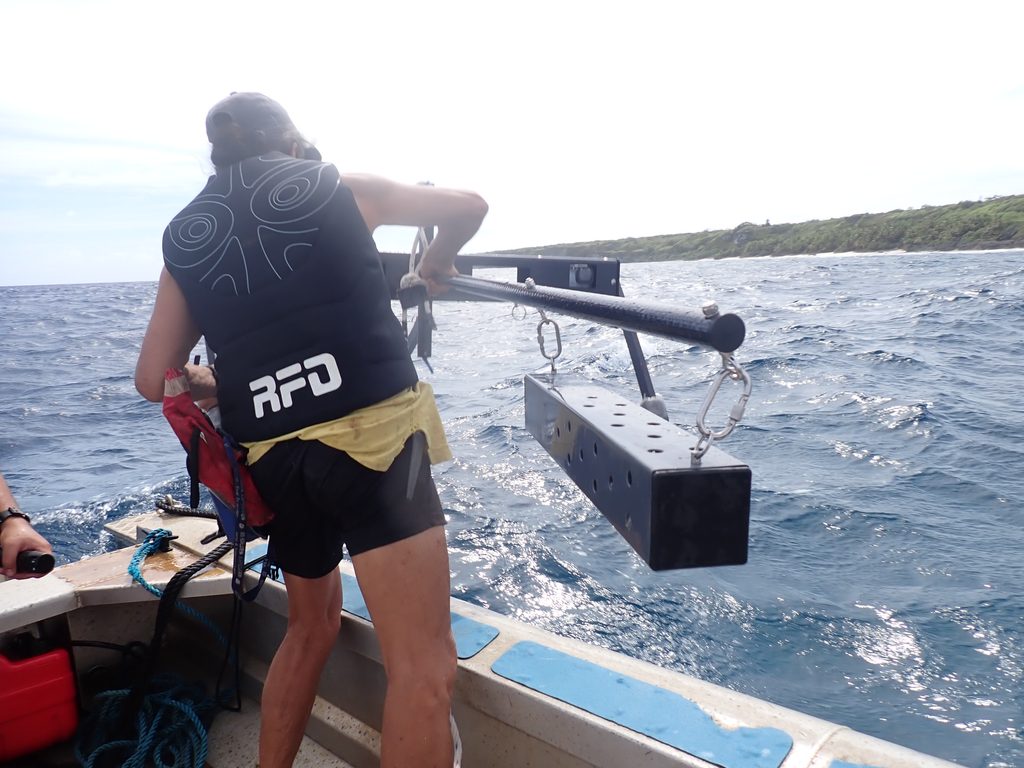
For climate, Blue Belt helps Territories protect and manage marine ecosystems that support climate resilience and help communities adapt to environmental change, such as strengthening storms, sea level rise and associated coastal flooding and erosion.
For people, the Programme supports the development of management plans, legislation and governance frameworks that reflect each Territory's unique environmental, social and cultural needs. It invests in training, equipment and local capacity, while supporting stakeholder engagement, education and outreach activities that help communities understand the purpose and benefits of MPAs. By ensuring decisions are informed by local knowledge and community voices, Blue Belt promotes equitable, inclusive and locally led marine management.
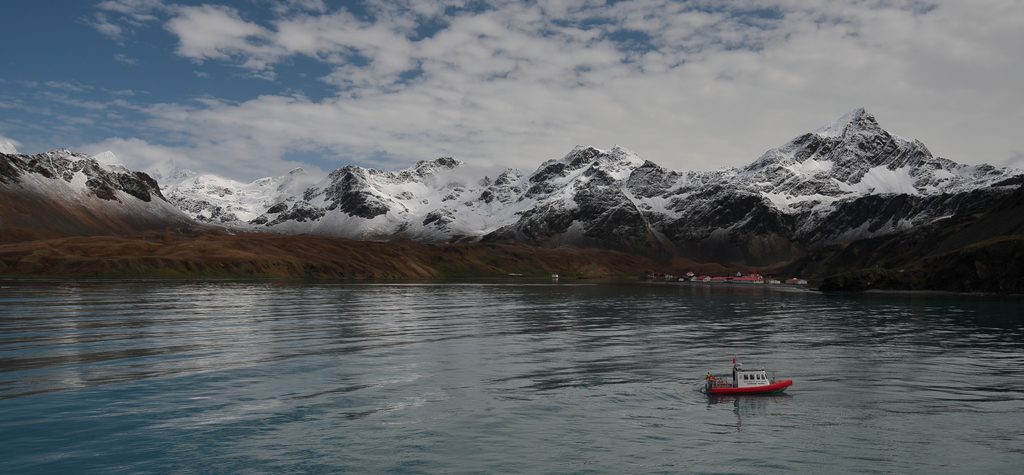
Ultimately, the Blue Belt Programme helps turn marine protection from a line on a map into meaningful action, delivering lasting benefits for nature, climate and people. You can discover the full extent of the Programme's support in the 10-year impact report .
Case study: South Georgia & the South Sandwich Islands renew their MPA management plan
In the Southern Ocean, South Georgia & the South Sandwich Islands lie isolated, unimaginably remote from any other land. And yet, surrounding these islands of ice and rock is an MPA so large it accounts for over 5% of global MPA coverage.
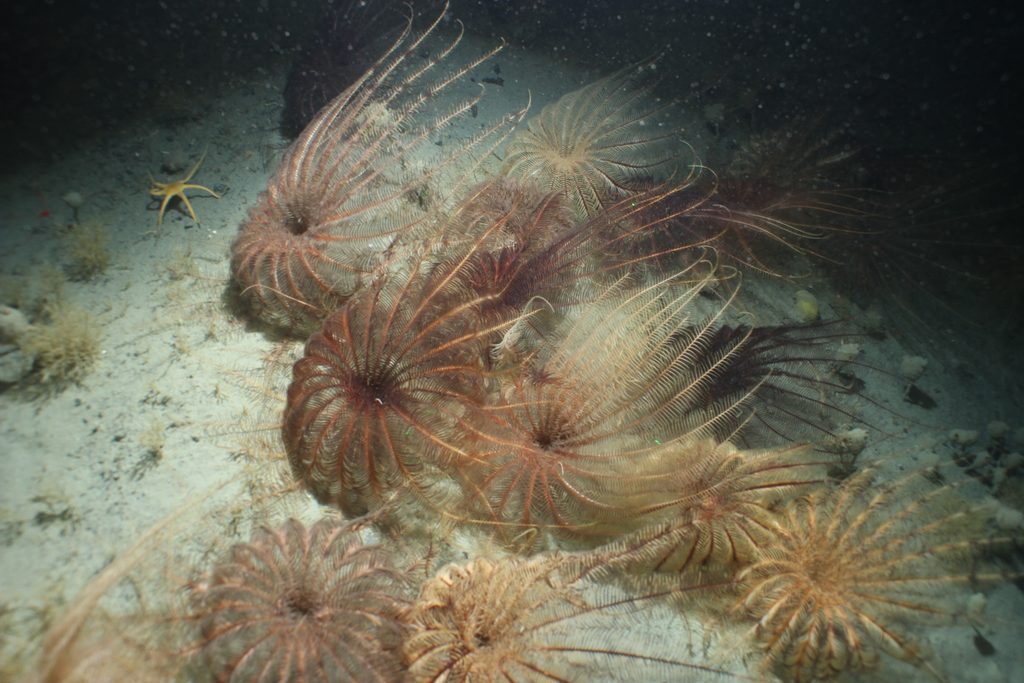
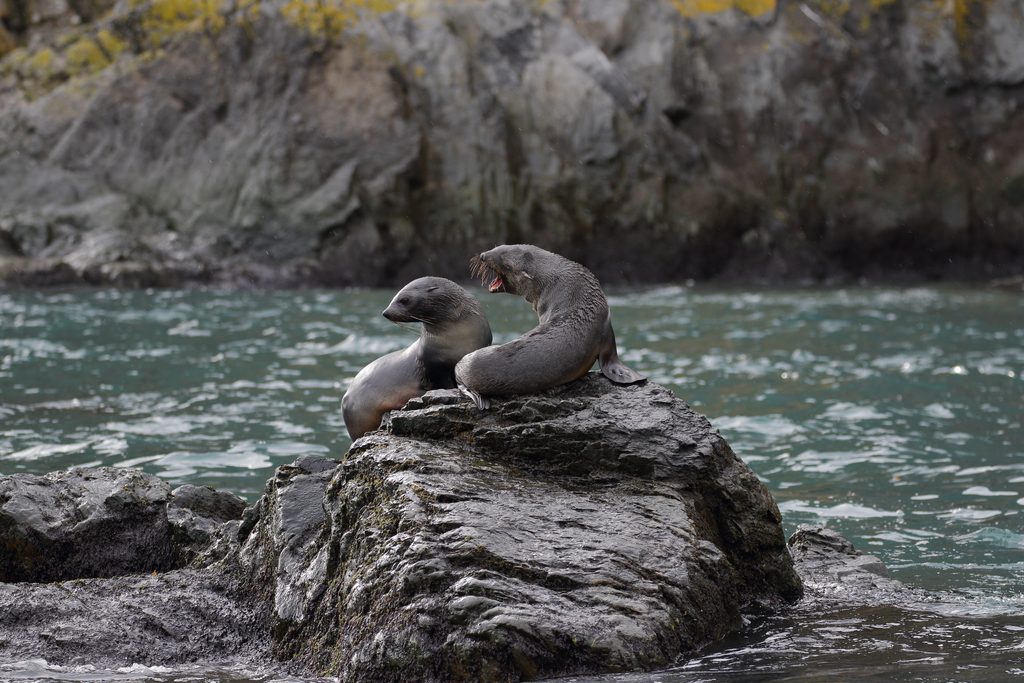
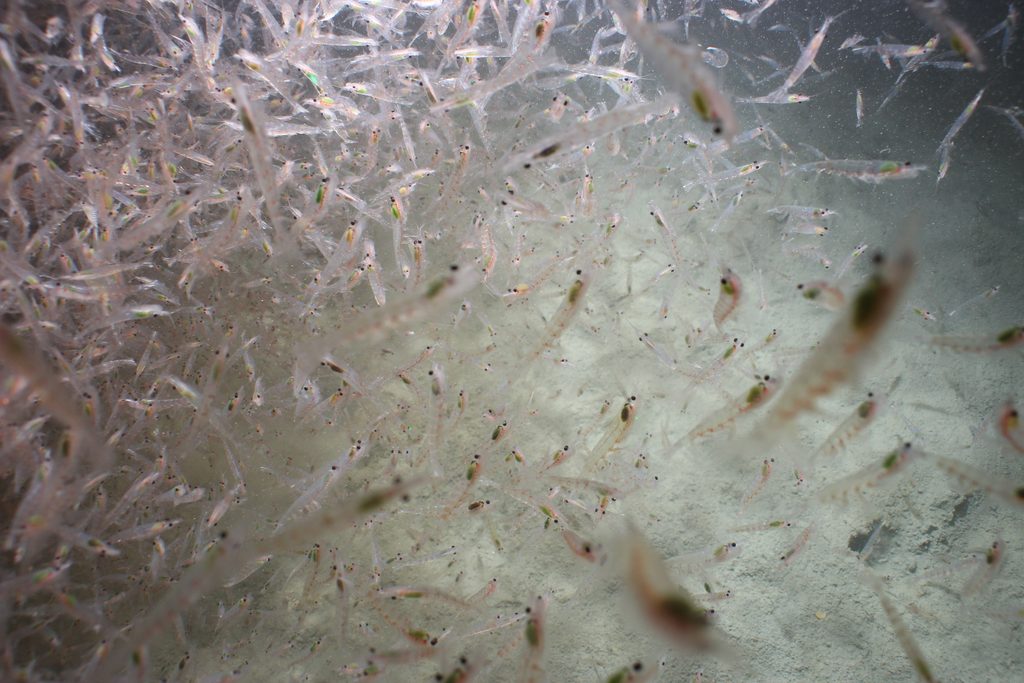
Established in 2012, the MPA is one of the most ecologically significant, biodiverse and productive marine conservation zones in the world. Within its 1.24 million km² boundaries are crucial polar habitats supporting whales, seals and five species of penguin, sustained by vast krill stocks that underpin the majority of the Southern Ocean food web. The MPA protects important foraging grounds for migratory whales and seabirds, while on the seafloor, cold-water corals form otherworldly habitats deep below the surface.
South Georgia & the South Sandwich Islands was one of the first large-scale MPAs globally to commit to regular reviews from the outset. The Blue Belt Programme supported the Government of South Georgia & the South Sandwich Islands with its first five-year review in 2017 to 2018, which led to strengthened protections, including expanded no-take zones, seasonal closures to safeguard breeding wildlife, and a ban on the carriage of heavy fuel oil.
Between 2024 and 2025, the MPA underwent its second five-yearly review. At the start of 2026, South Georgia & the South Sandwich Islands published their reviewed MPA management plan, a culmination of five years of scientific evidence and stakeholder insights, resulting in a strengthened roadmap securing the long-term protection of this globally significant marine environment.
Some of the key measures in the updated plan include:
- no-take zones, where all fishing activity is prohibited, now cover almost 38% of the MPA
- bottom trawling is banned across the entire MPA
- longline fishing for toothfish is limited to depths between 700 and 2,250 metres, covering less than 5% of the MPA, to conserve biodiverse seafloor habitats.
- krill fishing is prohibited across half a million km² of ocean around South Georgia & the South Sandwich Islands, to protect the base of the food chain
- toothfish and krill fishing is only permitted during the winter, to minimise potential impacts on seals and seabirds during their summer breeding season
In a world of increasing environmental threats, from climate change to pollution and overfishing, South Georgia & the South Sandwich Islands stand as a beacon of hope. By undertaking comprehensive reviews every five years, the MPA remains effective and responsive to emerging scientific evidence and environmental change. You can read the full MPA management plan here MPA Management Plan – Government of South Georgia & the South Sandwich Islands.
Leave a comment