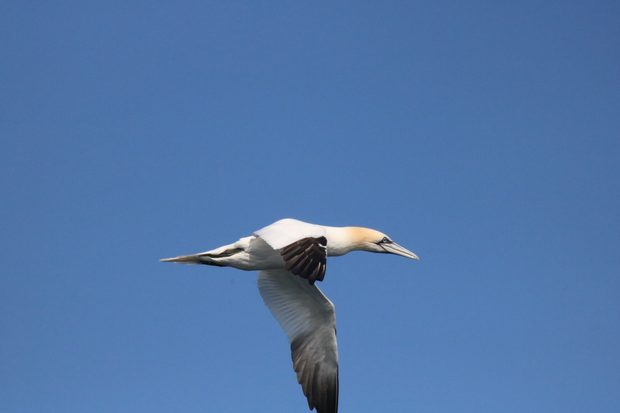
The English coastline supports a remarkable diversity of bird life. Its rich network of mudflats, saltmarshes and shallow coastal waters provides food and shelter for millions of birds throughout the year.
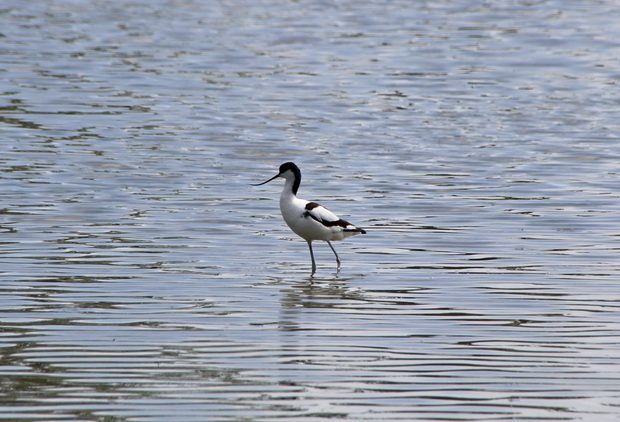
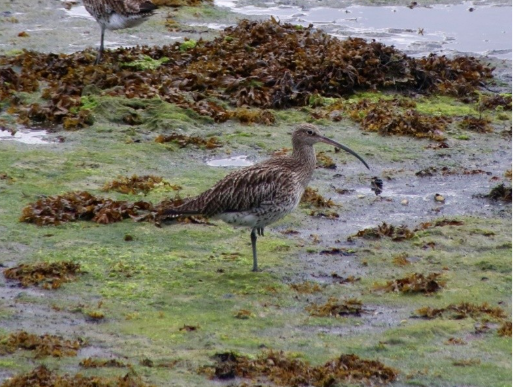
From gannets plunging into the sea at speeds of up to 60 mph in pursuit of fish, to curlews using their long, curved bills to detect prey hidden beneath mudflats, and avocets sweeping their distinctive upturned beak through shallow water.
Many of these species are protected within Marine Protected Areas (MPAs), including Special Protection Areas (SPAs). This is because they are rare, vulnerable to environmental pressures, or form internationally important breeding, wintering and migratory populations that rely on our coasts and seas for survival.
Impacts of marine recreation
We understand that marine non-licensable activities (mNLA), such as recreational boating, kayaking, paddleboarding, sailing, and wildlife watching trips at sea can sometimes disturb birds, particularly during key periods such as breeding, migration or wintering.
What disturbance looks like
When birds are disturbed, they may stop feeding, become more alert, move away from important habitat or take flight. Although a single disturbance event may seem small, repeated disturbance can reduce the amount of time birds spend feeding and resting. This may increase energy use and, over time, affect survival, breeding success or the ability of birds to build up the energy reserves they need during migration and winter periods.
Disturbance effects from mNLA have been recorded across a wide range of bird groups such as waders, seabirds, and divers. Different groups show different levels of sensitivity, but visual and noise disturbance, such as birds reacting to the presence or sound of nearby vessels, are important factors across all groups.
The marine habitats they depend on
Birds also depend on a wide range of supporting habitats to feed, rest, shelter and breed. Intertidal mudflats and sandflats, for example, are rich feeding grounds where species such as curlews and oystercatchers feed on worms, shellfish and other invertebrates.
Saltmarshes provide places for birds to roost during high tide and can offer shelter from harsh weather. Seagrass beds help support healthy marine ecosystems by providing homes for fish and invertebrates that are an important food source for many bird species. Reefs and rocky habitats support a variety of marine life that attract feeding seabirds, while shallow coastal waters provide important feeding and resting areas for migratory species.
Together, these important habitats help birds build up the energy reserves they need to survive winter, breed successfully and complete long-distance migrations. Given supporting habitats are essential for healthy bird populations, impacts from mNLA to these should also be considered.
Have your say
The MMO is currently seeking additional evidence on the impacts of mNLA on birds, benthic habitats, reef, and seagrass. If you have relevant research, monitoring data, reports or observations, we ask you to respond to our current call for evidence and respond before it closes on 25 November 2026.
By sharing information, you can help improve our understanding of these impacts and support the effective protection of England’s birds and the supporting habitats they rely on.
For more detailed guidance on how to contribute, why this is important and the types of evidence that we find useful, please visit our previous blog: Share your evidence on the impacts of recreational activities in England’s marine protected areas (MPAs) – Marine Development Blog
If you require support completing our survey or submitting evidence, please let us know: conservation@marinemanagement.org.uk
Leave a comment