This week sees the 17th UN Biodiversity Conference of Parties get underway in Yerevan, Armenia. Minister for Nature Jenny Riddell Carpenter will represent the UK, along with the Special Representative for Nature, Ruth Davis. They will highlight UK leadership on biodiversity, including progress towards 30by30, nature recovery, sustainable development, nature finance, and international partnerships that support global implementation.
This follows last week’s publication of the 2026 Living Planet Report by WWF, which sets out the unprecedented scale and pace at which nature is declining around the world. However, it also offers a message of hope, with examples like the 70% increase in tiger populations in 15 years. I was taken aback a year ago seeing tuna jumping off the south coast of England for the first time in my life. Another example of nature recovery set out in the report.
Around the world the fate of people and ecosystems are intertwined. This is especially true in developing countries, where around a third of jobs are directly dependent on biodiversity. People rely on ecosystems to sustain fisheries, farming (through pollination and soil fertility) and forestry.
Ecosystems also help buffer the world’s rural poor from the worst effects of climate change. For example, through the role of mangroves in protecting coastlines, and forests in regulating local climate, water resources and flooding. Whilst the poorest people in the world are amongst the most exposed to nature loss and climate change, poverty also drives the over exploitation of ecosystems, accelerating its decline.
Recent work by Defra has illustrated the threat to UK national security posed by the degradation or potential collapse of globally important ecosystems such as the Amazon, Congo Basin and Coral Triangle.
Systemic change is required
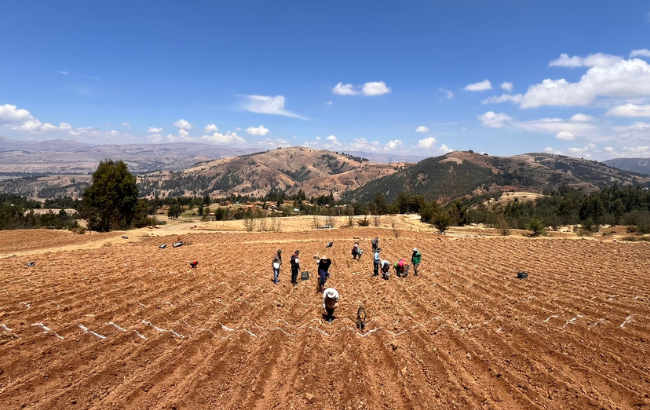
WWF’s report shows that the majority of biodiversity loss is driven by three human systems: energy, food and finance. It argues that conservation alone will not reverse biodiversity decline without transforming these systems.
The scale of the challenge is huge (the UN Environment Programme estimate that for every $1 spent protecting nature around the world, $30 are spent destroying it). In a world of economic pressures this is a big gap to bridge through traditional development or conservation funding.
The recent Intergovernmental Science-Policy Platform on Biodiversity and Ecosystem Services Transformative Change Assessment shows that reversing biodiversity loss will require transformative change that addresses the underlying causes of environmental decline, rather than focusing solely on its symptoms. It sets out a number of levers to address biodiversity loss at scale, such as by reorganising the sectors driving biodiversity loss, changing economic systems, enhancing governance and engaging with how people use, value and manage nature.
Evidence remains limited on how transformative change happens in practice and under what conditions it can deliver equitable and lasting outcomes for both people and nature.
Defra is calling for new research on transformative change
Through our research programmes, Defra is leading the way in exploring how to apply such systemic approaches to global ecosystem protection.
Through the Global Centre on Biodiversity for Climate programme (known as GCBC), we have launched a new research call on "Enabling transformative change: addressing drivers of biodiversity loss in three critical regions."
This call will fund research to design and test ways to reconfigure the institutions, markets and governance systems that drive biodiversity loss. It focuses on three interconnected areas:
• Socio-ecological dynamics and transformative pathways: how human behaviour, resource use and ecological change interact through feedback loops, and where the leverage points for transformative change can occur.
• Commodity markets and financial flows: the conditions under which supply-chain interventions, regulation and subsidy reform can shift production and investment away from ecosystem degradation.
• Governance and institutions: which governance arrangements – national, regional and transboundary – deliver sustainable biodiversity and livelihood outcomes, including in fragile and conflict-affected settings.
The research will focus on globally important ecosystems
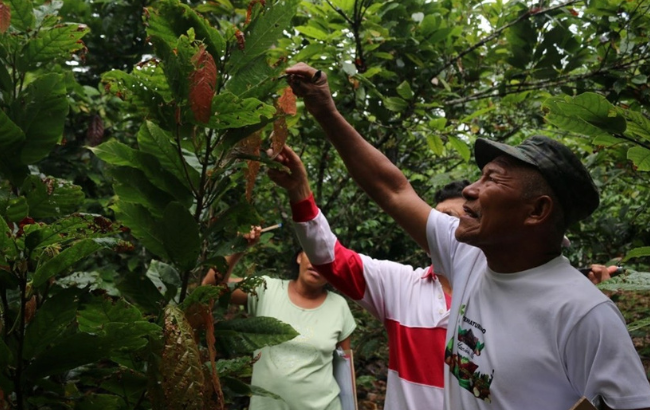
The competition will focus on three globally important regions that are vulnerable to biodiversity loss and ecosystem degradation, as highlighted in the UK Nature Security Assessment:
- The Amazon
- The Congo Basin
- The Coral Triangle
These regions contain some of the world's most important terrestrial, freshwater and marine ecosystems. They support extraordinary biodiversity while also providing essential resources and livelihoods for millions of people.
By funding research across different contexts, GCBC can generate practical evidence on what works, help inform policy and investment decisions, and support the kind of transformational change needed to protect nature and improve outcomes for people.
Turning evidence into action
The new call complements an already powerful portfolio of GCBC research, which is finding new ways to protect poor communities from the impacts of climate change by restoring and harnessing biodiversity. Since its launch, the programme has funded 59 projects across 43 countries in Africa, Latin America, Southeast Asia and the Pacific committing around £40 million to biodiversity and climate research around the world.
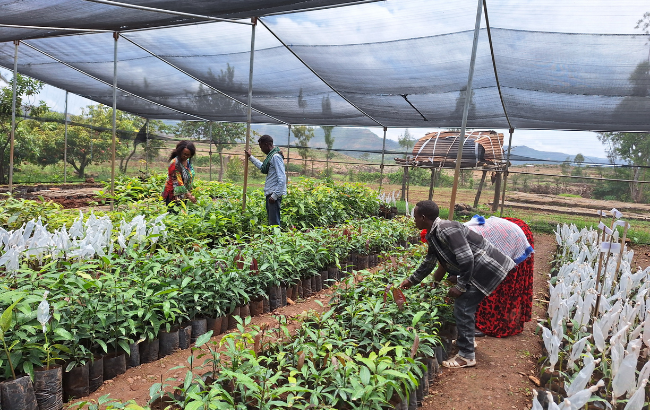
GCBC-funded research is already showing how evidence can shape real-world decisions. For example, research on multifunctional agroforestry in the Ethiopian highlands has helped translate project insights into national policy on sustainable land use, livelihoods and resilient landscapes. It is a strong example of the kind of practical impact GCBC aims to build on through its next research competition.
Ultimately, the GCBC generates evidence that supports action. We are looking for ambitious, high-quality proposals that can help answer important questions about how societies can better protect, restore and sustainably manage biodiversity.
Successful projects will generate learning, approaches, tools or methodologies that could be scaled up or replicated elsewhere, contributing to a growing evidence base that can inform decisions, shape practical action and support change beyond the places where the research takes place.
Defra will use evidence generated by the research we fund to inform the design of our international aid programmes, interventions in nature finance, and support us in driving an agenda for systemic change through international negotiations.
Find out more and apply
The application window for Concept Notes is now open. Eligible research organisations are encouraged to review the competition materials and consider applying.
Further information on the competition theme, eligibility requirements and application process is available on the GCBC website.
Leave a comment